The Strange Materials Artists Used Before Modern Paints
Today, we can walk into any art store and pick up neatly packaged tubes of vibrant paint in every color imaginable. But for most of history, artist had to make their own paints- often from strange, expensive, or downright gross materials.
Here are some of the wildest ingredients that once filled an artist’s palette.
Crushed Insects
One of the richest reds in art history, carmine, came from crushed cochineal beetles found in Central and South America. Thousands of insects were needed to make even a small amount of pigment. Despite the unusual source, the color was prized by European painters for its brilliance.
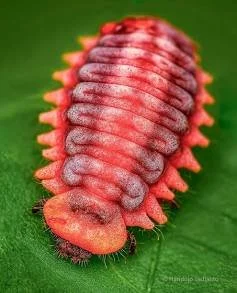
cochineal beetle
Egg Yolks
During the Renaissance, many artist used egg tempera - a mixture of pigment and egg yolk. The yolk helped bind the color to surfaces like wood panels, creating luminous, long-lasting works. Some of these paintings are still vivid today, centuries later.
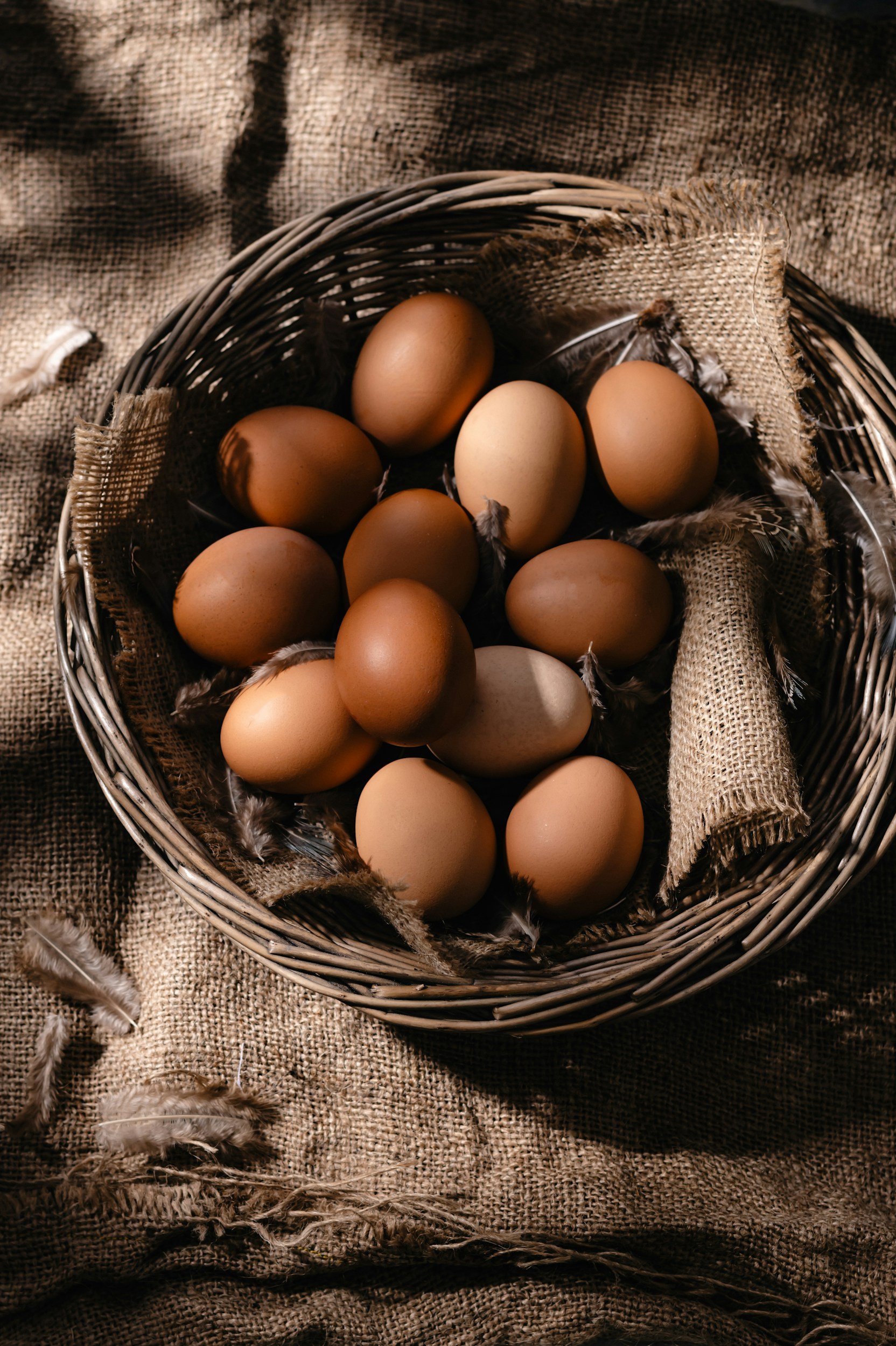
Ground Gemstones
Some colors were so rare they were literally more valuable than gold. The deep blue known as ultramarine came from grinding up lapis lazuli, a gemstone imported from Afghanistan. Because it was so expensive, artist often saved it for the most sacred parts of paintings - like the robes of the Virgin Mary.
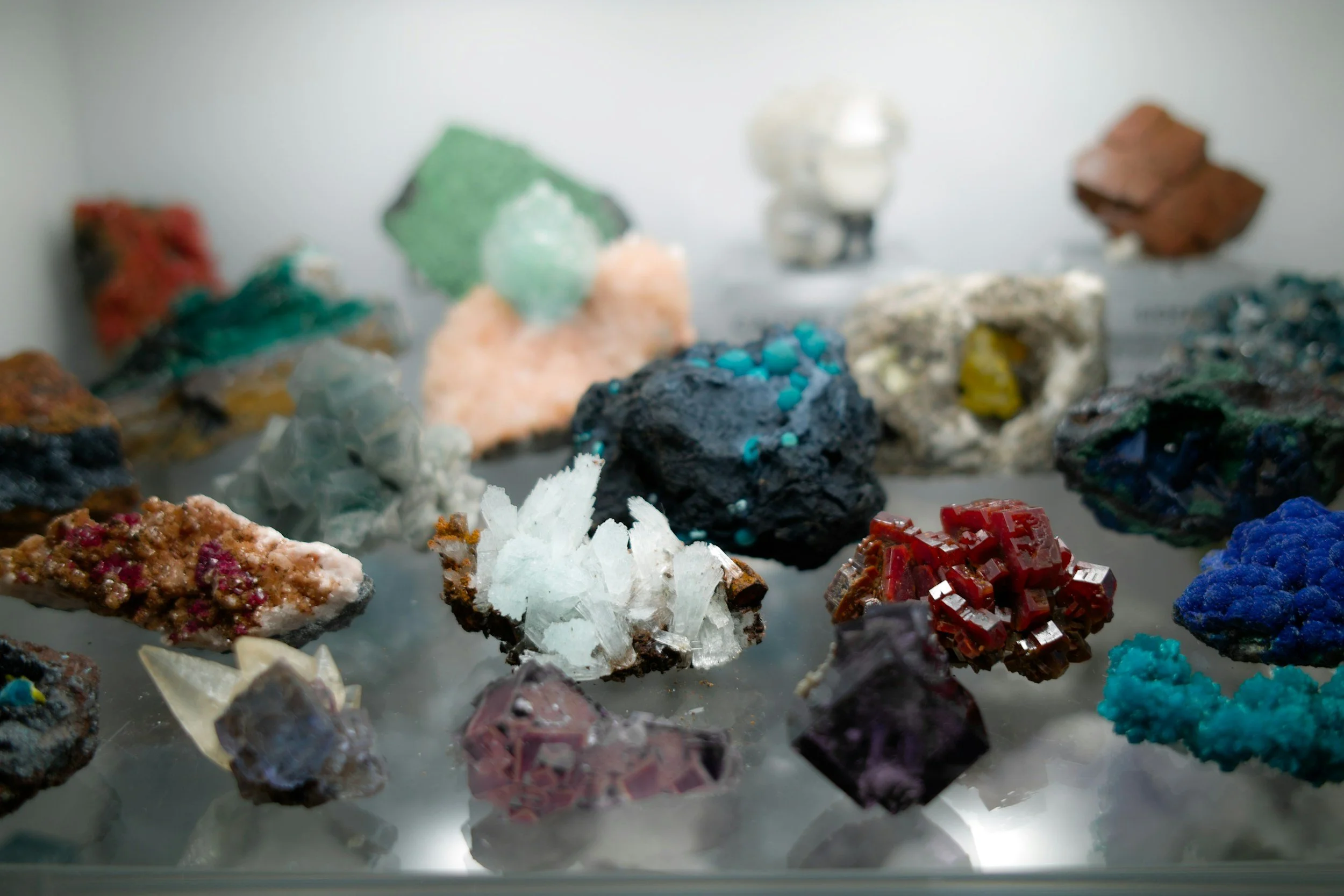
Toxic Metals
Not all pigments were safe. White paint was often made from lead, green from arsenic, and yellow from oranges of real orpiment (arsenic sulfide). Many artist of the past didn’t know their materials were poisoning them while they worked.
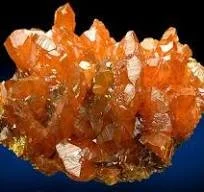
arsenic sulfide
Plants and Minerals
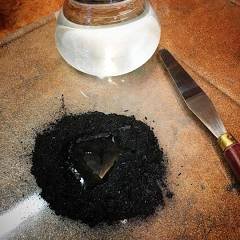
On the gentler side, artist also pulled color from nature - like indigo from plants, ochres from earth, and charcoal from burned wood. These natural sources were more accessible and formed the base of may traditional palettes.
Final Thought
Next time you look at a Renaissance painting or a centuries - old icon, remember: the colors aren’t just pretty - They’re made of crushed beetles, gemstones, and even egg yolks.
Art isn’t just about creativity; it’s about human ingenuity, resourcefulness, and sometimes a little weirdness. And that’s part of what makes it timeless.