Foolish Art: The Weirdest Pranks and Hoaxes in Art History (for April Fool’s Day)
Art has always walked the line between genius and joke. Sometimes, artists - or clever tricksters - push things so far that the world can’t tell if it’s brilliant or just plain foolish. Since April Fool’s Day is all about trickery, let’s dive into some of the strangest art -related pranks and hoaxes in history.
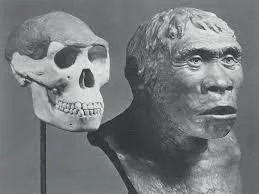
The Piltdown man
The Piltdown Man “Discovery” (1912)
For decades, scientists believed they had found the “missing link” between apes and humans in England. Spoiler: It was a fake. The jawbone belonged to an orangutan, the skull to a medieval human, and together they fooled experts for more that 40 years. Technically science - but presented like artful trickery.
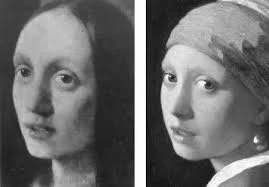
The Great Vermeer Forgeries
In the 1930’s, Dutch painter Han van Meegeren sold “newly discovered” works by the famous master Vermeer. Critics and collectors were dazzled - until it was revealed they were forgeries. Ironically, van Meegeren became more famous for his fakes that for his own art.
The Elephant Who Painted
In the 1950’s, a zoo in the U.S. claimed that one of its elephants had created abstract paintings. People were amazed, comparing the works to modern masters. The truth? Trainers were guiding the elephant’s trunk with food rewards. Still, the paintings sold!
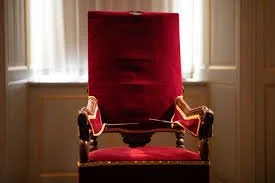
The Museum “Chair Prank”
In more recent times, several museums have been fooled when visitors set down everyday objects - like a chair, pair of glasses, or even a pineapple- only for crowds to gather and admire them as if they were art installations. One pineapple left on display at a gallery in Scotland lasted two full days before staff realized the prank.
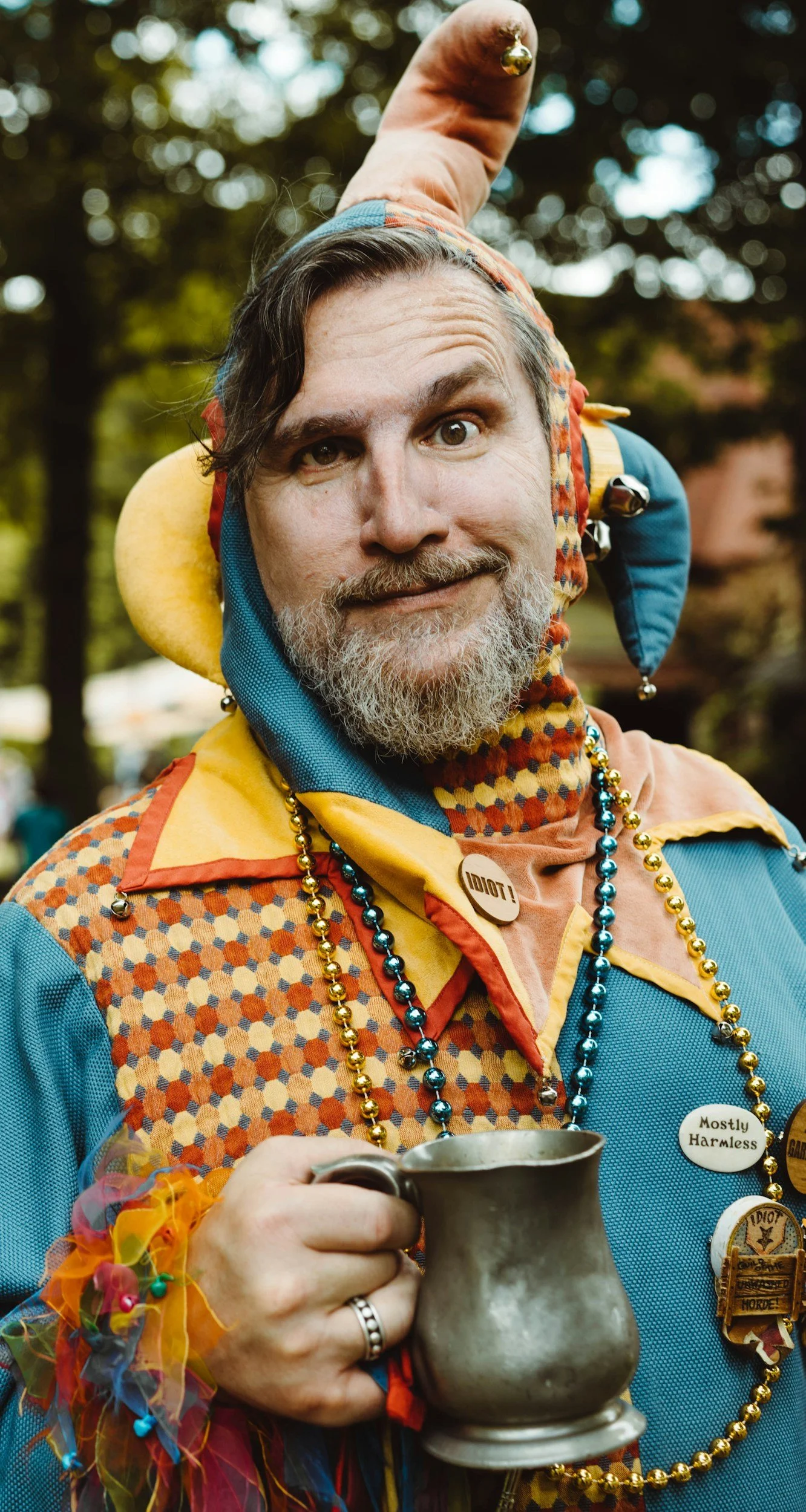
Fool or Genius?
The line between prank and masterpiece is often blurry. Sometimes what starts as a hoax ends up making people question what “counts” as art- and maybe that’s the biggest trick of all.
Final Thought
This April Fool’s Day, remember: art doesn’t always take itself too seriously. Sometimes the joke is part of the masterpiece.
So if you see a pineapple in a gallery corner, don’t be too quick to laugh - it might just be the next great movement in art history.