The Art of the First Thanksgiving: Fact vs. Fiction in Paintings
When you picture the “First Thanksgiving,” you might imagine a long wooden table covered with roast turkey, pumpkins, and pie, surrounded by smiling Pilgrims and Native Americans in perfectly coordinated outfits. That image is probably straight from a painting—but here’s the thing: much of what we “see” in art about the First Thanksgiving is more fiction than fact.
Let’s dig into how artists have shaped (and sometimes skewed) our view of that historic meal.
1. The Feast Didn’t Look Like a Norman Rockwell Painting
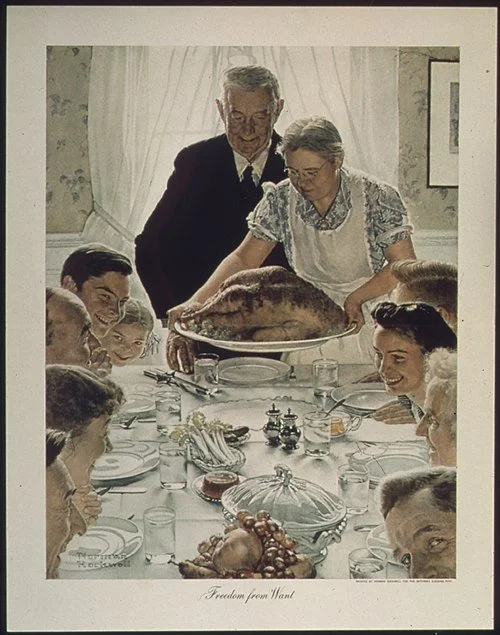
Freedom From Want
Norman Rockwell’s Freedom from Want (1943) is iconic—but it’s not historically accurate. The actual 1621 feast wouldn’t have had fine china, white linens, or even a formal dining table. Instead, it likely featured rough-hewn benches, outdoor eating, and a mix of English and Native foods such as venison, corn, shellfish, and seasonal vegetables.
2. Costumes Were… Creative
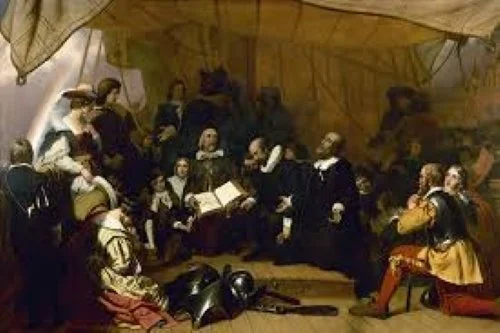
What we imagine Pilgrims looked like
Many paintings show Pilgrims in black-and-white outfits with shiny buckles, but those details come from fashion decades later. In reality, Pilgrims wore earth-toned clothing made from wool and linen, and buckles were rare. Native Wampanoag guests wore clothing suited to the season—likely deerskin garments, mantles, and beadwork—not the feathered headdresses we often see in romanticized paintings.
3. Everyone Wasn’t Sitting Together in Perfect Harmony
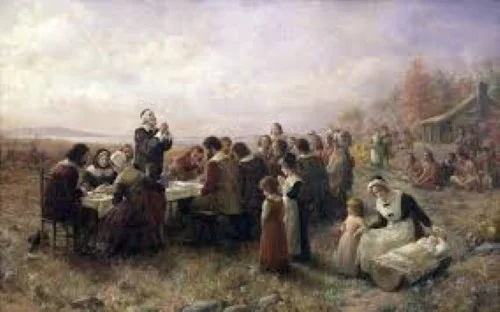
Art often depicts one long table with everyone gathered side-by-side. The truth is more complex. The feast lasted three days, and people likely moved around in smaller groups. Language barriers and cultural differences were very real, even amid moments of celebration. Paintings often smooth over these complexities for a “united” image that fit the storytelling needs of the time.
4. Why the Myths Persist
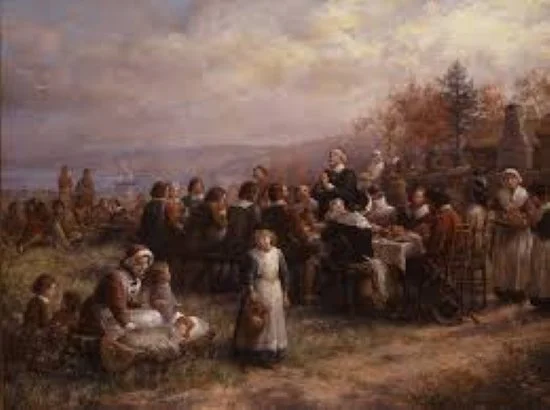
Many First Thanksgiving paintings were created centuries later, during periods when America wanted a unified national story. Artists painted scenes of cooperation and abundance to inspire pride and nostalgia. While these works are beautiful, they’re more about cultural storytelling than strict history.
5. Looking at the Art Differently
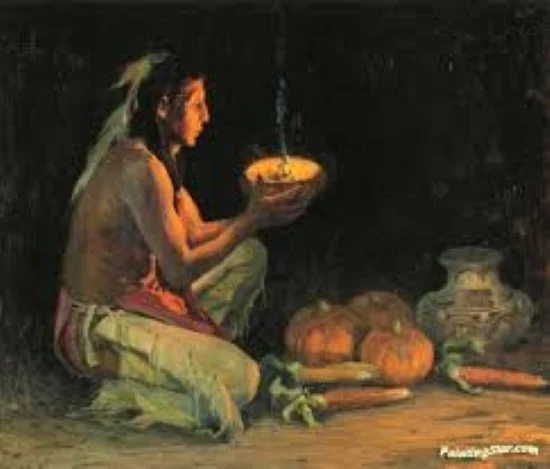
The next time you see a First Thanksgiving painting, look beyond the turkey and buckles. Ask yourself: When was this painted? Who painted it? What story were they trying to tell? Art isn’t just about what’s on the canvas—it’s also about the world in which it was made.
Final Brushstroke
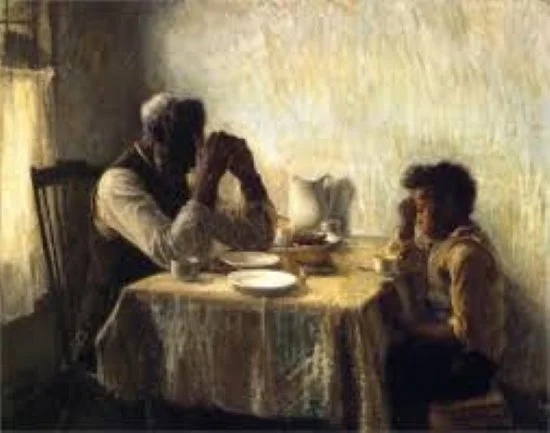
The First Thanksgiving as we “see” it in art is a blend of history and imagination. By understanding the difference, we can appreciate these paintings for what they are—beautiful, symbolic pieces that say as much about the artist’s era as they do about 1621.