How People Have Treated Artists Throughout History (and My Own Journey)
Artists have always lived in a complicated space within society. Sometimes celebrated as visionaries, other times overlooked or misunderstood, the way artists have been treated throughout history often reflects the culture of the time. As I look back at the path of artists through the centuries, I can’t help but think about how my own experience echoes many of the same struggles and triumphs.
🎨 Ancient Times: Anonymous Creators
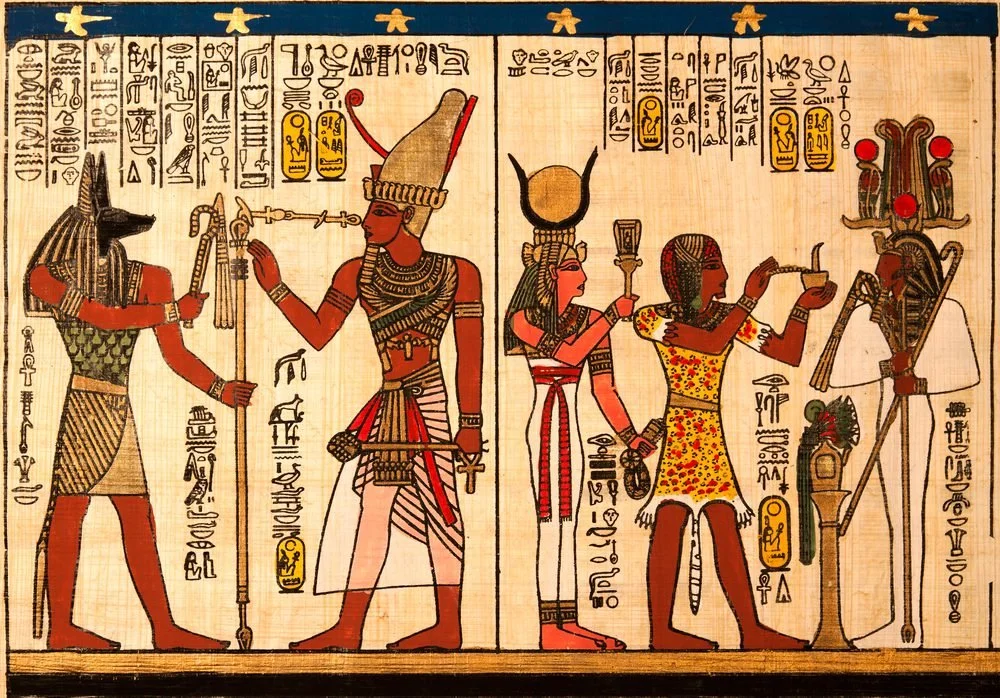
Anciet Egyptian Art
In ancient civilizations like Egypt or Greece, artists were rarely remembered by name. They created incredible works, but their role was closer to “craftsmen” than “genius.” I sometimes feel that echo today—when people see art as decoration rather than a voice, they miss the human being behind the brushstrokes.
👑 The Renaissance: Celebrated Geniuses

Renaissance Art
By the Renaissance, artists like Michelangelo and da Vinci began to be celebrated, even revered. They had patrons who invested in their talent. For me, finding patrons—people who believe in my work and its message—is still the most affirming part of being an artist. When someone connects with one of my paintings, I feel just a fraction of that Renaissance recognition, and it fuels me to keep creating.
🎭 The Romantic Myth of the Starving Artist
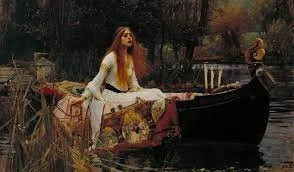
19th Century Art
The 19th century gave us the image of the starving artist—brilliant but unrecognized, struggling in poverty. Vincent van Gogh is the most famous example. Sadly, this myth still lingers today. I’ve had moments where I felt invisible or undervalued, pouring my soul into a canvas that people glance at for two seconds before walking away. But I’ve also learned that art isn’t only about applause—it’s about expression, healing, and sometimes just surviving.
💡 The 20th Century: Rebels and Outsiders
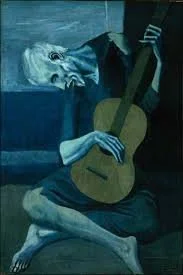
20th Century Art by Pablo Picasso
Artists of the last century broke rules, and society didn’t always know what to do with them at first. The Impressionists were mocked, abstract painters dismissed, and yet, decades later, their work changed art forever. I relate to that resistance. My own themes—like protecting innocence—don’t always fit into “pretty” art categories. Sometimes people shy away from difficult truths in paintings. But just like those rebels, I’ve realized that making people uncomfortable can also make them think.
🌍 Today: Artists in the Digital World
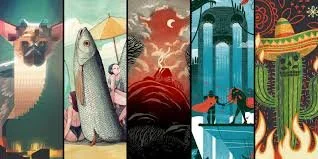
today’s Digital Art
Now, artists have social media and global platforms, but we also face the weight of algorithms and constant comparison. I’ve experienced both sides: the joy of someone discovering my work online, and the frustration of watching meaningful pieces get buried by fleeting trends. It’s a strange balance of vulnerability and resilience—one that I think artists across time would understand.
✨ My Takeaway
Looking back, I see how the way society treats artists has changed—and yet hasn’t. Artists have always struggled for recognition, fought to be understood, and worked to leave something behind that matters. My journey is a continuation of that story. Some days, I feel like an ancient craftsman, anonymous and overlooked. Other days, I feel like a Renaissance painter, seen and celebrated. Most days, I’m somewhere in between.
But no matter how the world treats us, one truth hasn’t changed: art matters because it carries pieces of our humanity forward. And that, I believe, is worth every brushstroke.