How to Look at Art and Really See It
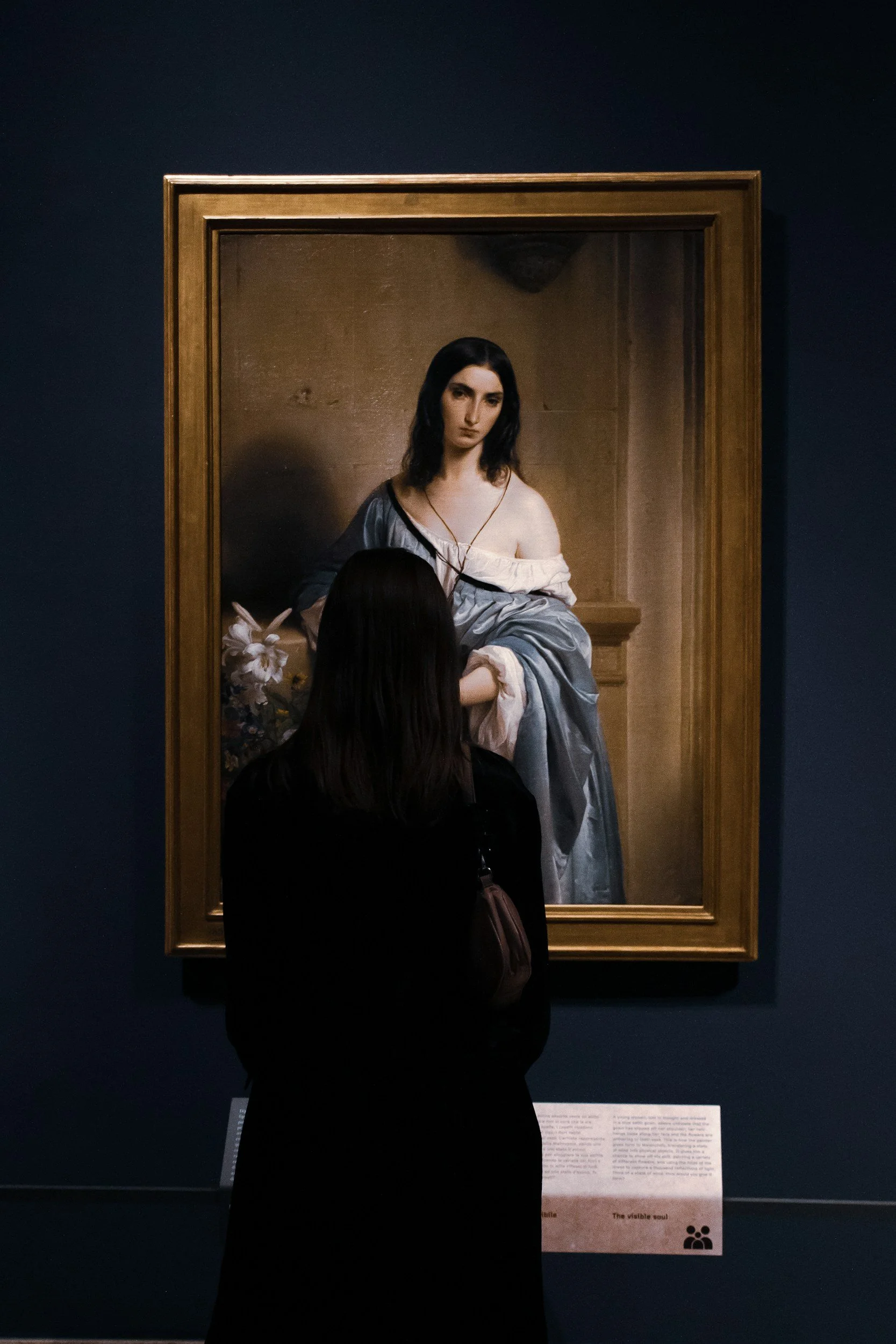
Art invites us to slow down and see things differently.
One thing I hear all the time when people stop by my booth or look at my paintings is, "I don't know anything about art."
The truth is, you don't have to.
Art isn't reserved for artists, collectors, or people who have studied it...
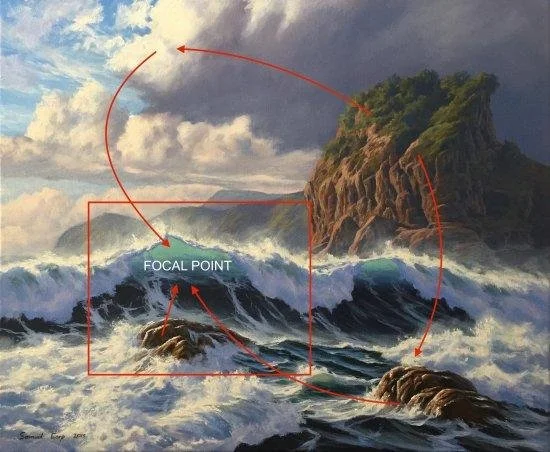
Sometimes the smallest detail is what draws us into a painting.
Art isn't reserved for artists, collectors, or people who have studied it. Some of the best conversations I've had about my work have been with people who simply told me what they saw or how a piece made them feel.
When looking at art, I think the biggest mistake people make is trying too hard to figure it out.
Instead of worrying about what the artist meant, just take a moment and look.
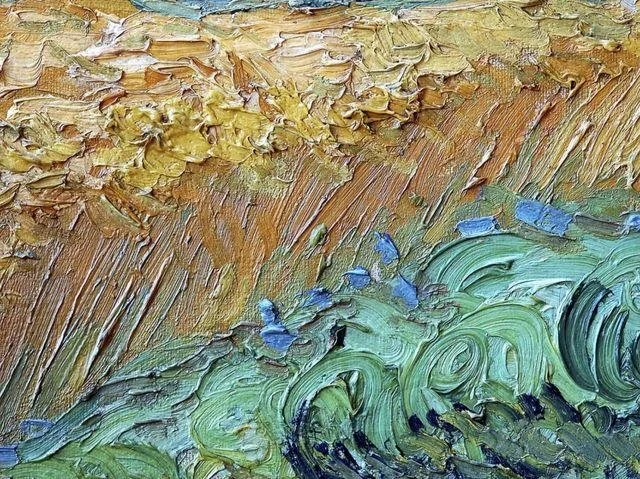
Brushstrokes often reveal the artist's process and emotion
What catches your eye first?
Maybe it's a color. Maybe it's a face. Maybe it's a tiny detail that most people would walk right past. Whatever draws you in is where your connection to the piece begins.
I always tell people to spend a little more time with a painting than they normally would. We live in a world where we're constantly scrolling and moving on to the next thing. Art wasn't meant to be consumed in three seconds.
Take a minute and really look.
Notice the colors. Are they bright and energetic, or soft and calming? Look at the brushstrokes. Can you see where the artist moved quickly or where they spent extra time adding details? Sometimes you can almost feel the artist's mood in the way the paint was applied.
Then pay attention to how the artwork makes you feel.
Does it remind you of a memory? A place you've been? A person you miss? Maybe it makes you smile, or maybe it stirs up an emotion you weren't expecting.
That's one of the reasons I love art so much. It has a way of connecting with people differently. The same painting can mean one thing to me as the artist and something completely different to someone viewing it. Neither interpretation is wrong.
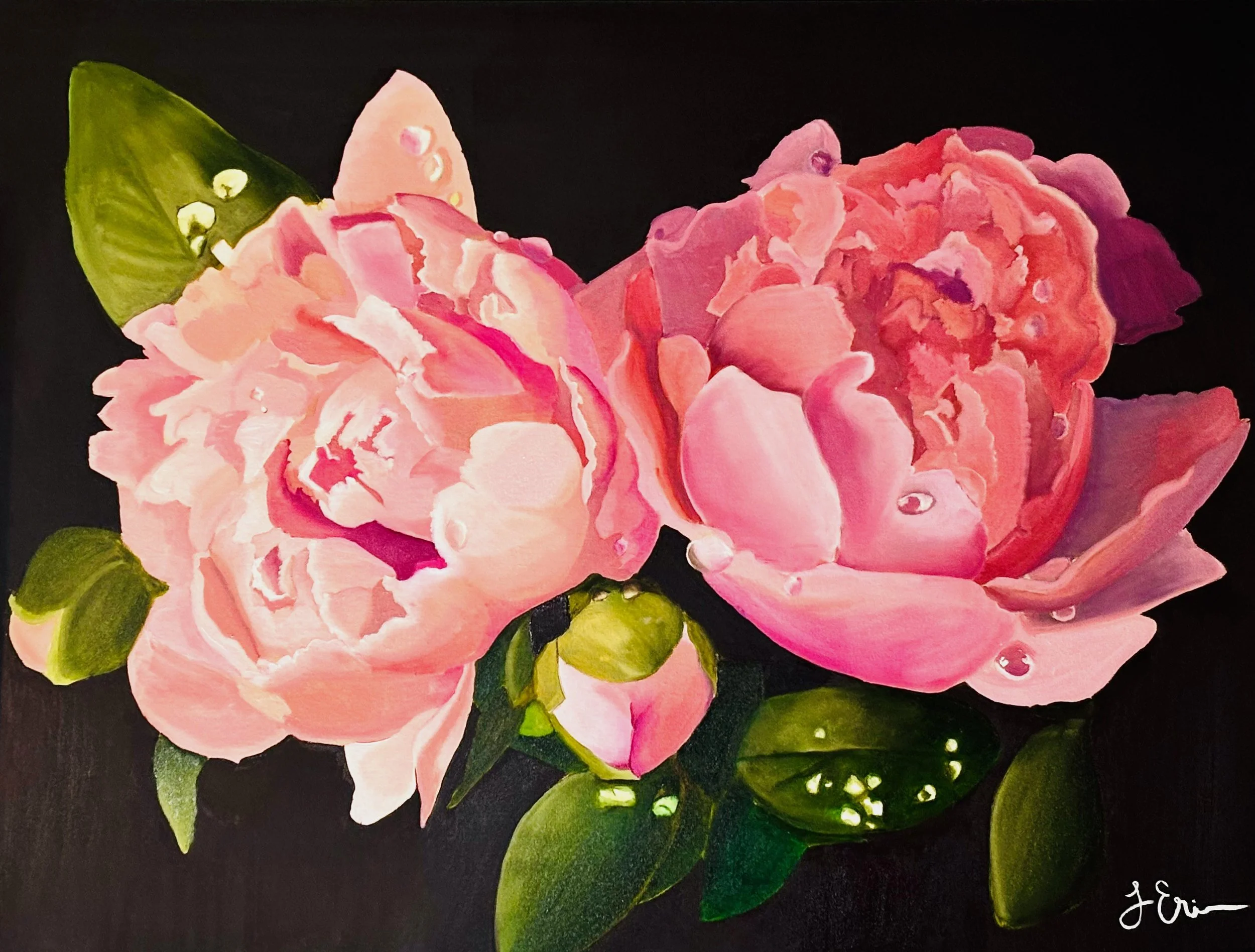
When I paint, there is usually a reason behind what I'm creating. Sometimes it's a story, sometimes it's an emotion, and sometimes it's simply something I found beautiful and wanted to capture. But once a painting leaves my studio, it takes on a life of its own.
The viewer brings their own experiences to the artwork, and that becomes part of the story too.
So the next time you're looking at a painting, don't worry about whether you're seeing the "right" thing. There isn't a secret code you have to crack.
Just slow down, take it in, and see where it takes you.
You might be surprised by what you notice.
And who knows? You may walk away with a favorite piece of art that you can't fully explain—you just know it spoke to you. Sometimes that's the best kind of art there is.